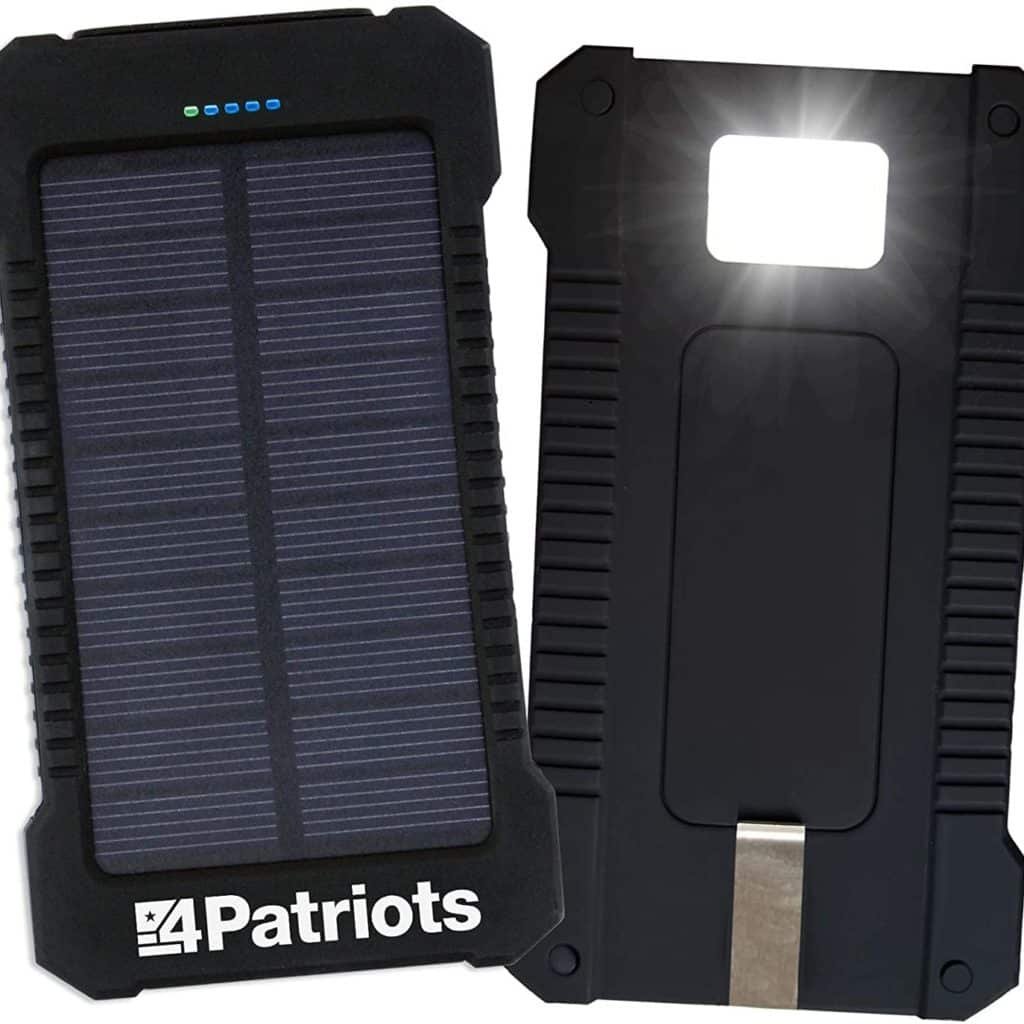
A sudden power outage can be jarring, but the silence of a generator that refuses to start is truly disheartening when you need it most. Whether you rely on your 4Patriots generator for emergencies, off-grid living, or as a reliable backup, understanding its common quirks and how to address them is crucial. This guide on Troubleshooting & Support for 4Patriots Generators is designed to equip you with the knowledge and confidence to solve most issues quickly, keeping your power flowing when it matters most.
We'll walk you through the most frequent generator problems, from a stubborn no-start to fluctuating power, offering clear, actionable steps. More importantly, we'll show you how to leverage 4Patriots' official support channels effectively, ensuring you're never left in the dark.
At a Glance: Your Quick Troubleshooting Roadmap
- Safety First: Always prioritize safety before attempting any repairs or maintenance.
- Check the Basics: Most issues stem from simple causes like low fuel, stale fuel, or a dead battery.
- Consult Your Manual: Your 4Patriots user manual is your primary diagnostic tool; keep it handy.
- Listen, Look, and Smell: Pay attention to any unusual sounds, visual cues, or odors – they're key indicators.
- Preventative Maintenance Pays Off: Regular upkeep drastically reduces the likelihood of breakdowns.
- Know When to Call for Support: Don't hesitate to contact 4Patriots customer service for complex issues.
Why Your 4Patriots Generator Matters (And Why Troubleshooting is Key)
In an unpredictable world, a reliable power source isn't just a convenience—it's a cornerstone of preparedness. 4Patriots generators are built to provide that peace of mind, delivering power when the grid falters. But even the most robust machines need a little TLC and occasional attention. Understanding how to troubleshoot common issues not only saves you time and potential repair costs but also strengthens your self-reliance, ensuring your lights stay on, your food stays cold, and your essential devices remain charged. Knowing your way around your generator means you’re truly prepared. If you're looking to learn about 4Patriots generators, understanding their maintenance is a key part of the ownership experience.
Before You Begin: Safety First, Always
Working with generators involves fuel, electricity, and moving parts—a combination that demands respect. Before you lift a finger, always:
- Shut it Down Completely: Turn off the generator and allow it to cool down.
- Disconnect the Spark Plug: Remove the spark plug cap to prevent accidental starting. This is a critical safety step.
- Ensure Good Ventilation: Never operate or troubleshoot a generator indoors or in an enclosed space. Carbon monoxide is a silent killer.
- Use Proper Tools: Have the right tools for the job to avoid damage or injury.
- Wear Protective Gear: Gloves and eye protection are always a good idea.
The Golden Rule of Troubleshooting: Consult Your User Manual
Before diving into complex diagnostics, remember your 4Patriots generator's user manual is your ultimate guide. It contains model-specific diagrams, safety warnings, maintenance schedules, and often, a dedicated troubleshooting section for error codes and common problems.
4Patriots makes it easy to access these vital resources. You can find detailed user manuals for all their products, including generators, directly on their website. They encourage you to "Click on Each Product Under The Following Categories to Find the Full User Manual." This should always be your first stop for specific technical details or error code explanations.
Common 4Patriots Generator Issues & Their Fixes
Let's break down the most frequent problems you might encounter and the steps to resolve them.
1. Your Generator Won't Start or Cranks But Doesn't Catch
This is arguably the most frustrating issue. Fortunately, it often boils down to a few basic culprits.
Symptoms:
- Engine won't turn over at all.
- Engine cranks but doesn't fire up.
- Pulls the starter rope but nothing happens.
What to Check (in order): - Is There Enough Fresh Fuel?
- The Problem: Running out of fuel is a common oversight. Also, gasoline can go stale in as little as 30 days, especially if untreated. Stale fuel can clog the carburetor and fuel lines.
- The Fix: Check the fuel tank. If low, refill with fresh, unleaded gasoline. If the fuel has been sitting for months, drain it and replace it with fresh fuel. Consider using a fuel stabilizer if you store your generator for extended periods.
- Is the Fuel Valve Open?
- The Problem: A simple oversight, but many generators have a fuel shut-off valve that needs to be in the "open" or "on" position.
- The Fix: Locate the fuel valve (usually near the fuel tank or carburetor) and ensure it's fully open.
- Is the Choke Set Correctly?
- The Problem: The choke enriches the fuel-air mixture for cold starts. Starting a cold engine without choke or a warm engine with choke can prevent it from firing.
- The Fix: For a cold engine, set the choke to the "full choke" position. Once it starts, gradually move it to "run." For a warm engine, try starting without choke or with partial choke.
- Is There a Spark? (Spark Plug Inspection)
- The Problem: A dirty, fouled, loose, or faulty spark plug can prevent ignition.
- The Fix:
- Disconnect the spark plug wire.
- Remove the spark plug with a spark plug wrench.
- Inspect the electrode: Is it black, oily, or corroded? Clean it with a wire brush or replace it if heavily fouled or damaged.
- Check the gap (refer to your manual for the correct specification).
- To test for spark (carefully!): Reconnect the spark plug wire, hold the plug against a metal part of the engine (not painted) using insulated pliers, and have someone briefly pull the starter rope. You should see a strong blue spark. If not, replace the plug.
- Is the Battery Charged and Connected? (Electric Start Models)
- The Problem: A dead or weak battery, or loose/corroded terminals, will prevent an electric start generator from cranking.
- The Fix:
- Check battery terminals for corrosion; clean with a wire brush if necessary.
- Ensure terminals are tight.
- Test battery voltage with a multimeter. If low, charge the battery. If it doesn't hold a charge, it needs replacement.
- Is the Oil Level Too Low?
- The Problem: Most generators have a low-oil shutoff sensor to prevent engine damage. If the oil level is too low, the generator won't start.
- The Fix: Check the oil dipstick. Add the recommended type and amount of oil until it reaches the "full" mark. Ensure the generator is on a level surface when checking.
2. Your Generator Starts But Shuts Down Quickly
This indicates a problem that arises once the engine is running or under load.
Symptoms:
- Engine starts, runs for a few seconds or minutes, then dies.
- Generator shuts off when a load is applied.
What to Check: - Low Oil Level:
- The Problem: As mentioned, the low-oil sensor is a common culprit. If the oil level drops below the safe threshold, the engine will shut down.
- The Fix: Re-check the oil level, ensuring the generator is on a flat surface. Top off with the correct oil.
- Overload Protection Tripped:
- The Problem: Connecting too many appliances or devices that draw more power than the generator can handle will trip the circuit breaker to prevent damage.
- The Fix: Disconnect all loads. Reset the circuit breaker on the generator (usually a push-button or switch). Start the generator and then add loads one by one, ensuring you stay within the generator's rated wattage.
- Lack of Ventilation/Overheating:
- The Problem: Generators generate heat. If placed in an enclosed space or if cooling vents are blocked, they can overheat and shut down to prevent damage.
- The Fix: Ensure the generator is in a well-ventilated area with ample space around it. Clear any debris from cooling fins or vents.
- Fuel Delivery Issues (Clogged Fuel Filter/Carburetor):
- The Problem: If the fuel flow is partially restricted, the engine might get enough fuel to start but not enough to sustain operation, especially under load.
- The Fix:
- Fuel Filter: Locate the in-line fuel filter (if present) and inspect it. Replace if it looks dirty or clogged.
- Carburetor: A dirty carburetor is a common issue, especially with old fuel. While cleaning a carburetor can be complex, you can try adding a fuel system cleaner to fresh fuel and running the generator for a bit. If the problem persists, the carburetor might need a professional cleaning or replacement.
3. Low Power Output or Intermittent Power
You've got power, but it's not quite right, or it flickers.
Symptoms:
- Appliances don't run at full power.
- Lights flicker or dim.
- Generator struggles under normal load.
- Power cuts in and out.
What to Check: - Overload:
- The Problem: Even if the circuit breaker hasn't tripped, consistently running the generator near or over its maximum capacity can cause voltage drops and strain.
- The Fix: Reduce the number of devices connected. Ensure the total wattage drawn is well within the generator's running wattage.
- Tripped Circuit Breakers on the Generator:
- The Problem: Sometimes only one outlet's breaker trips, or the main breaker might be partially tripped, leading to reduced power.
- The Fix: Check all circuit breakers on the generator's control panel and reset any that are popped out or in the "off" position.
- Tripped Ground Fault Circuit Interrupter (GFCI) Outlets:
- The Problem: Many generator outlets are GFCI protected. If there's an electrical fault or moisture, the GFCI can trip, cutting power to that specific outlet.
- The Fix: Press the "reset" button on the GFCI outlet. If it trips repeatedly, there's likely an issue with the connected device or the extension cord.
- Damaged Extension Cords or Power Cords:
- The Problem: Frayed, undersized, or damaged cords can restrict power flow or create dangerous conditions.
- The Fix: Inspect all cords for cuts, kinks, or damage. Use heavy-duty, outdoor-rated extension cords appropriate for the wattage you're drawing and the length required.
- Automatic Voltage Regulator (AVR) Issues:
- The Problem: The AVR maintains consistent voltage output. If it's faulty, voltage can fluctuate wildly, damaging connected electronics.
- The Fix: This is a more advanced repair. If you suspect an AVR issue and simpler fixes haven't worked, it's best to consult your user manual and potentially contact 4Patriots support for professional advice.
4. Unusual Noises, Vibrations, or Smells
These are clear indicators that something isn't right and should be addressed promptly to prevent further damage.
Symptoms:
- Loud knocking, grinding, or rattling sounds.
- Excessive vibration.
- Smell of burning oil, rubber, or fuel.
What to Check: - Loose Components:
- The Problem: Nuts, bolts, or engine mounts can loosen over time, causing rattling or increased vibration.
- The Fix: Carefully inspect the generator for any loose parts. Tighten fasteners where appropriate. Do not overtighten, as this can strip threads.
- Exhaust System Issues:
- The Problem: A loose muffler, exhaust pipe, or damaged spark arrestor can cause loud noises and affect performance.
- The Fix: Check the exhaust system for secure connections and any visible damage. Ensure the spark arrestor isn't clogged (refer to your manual for cleaning instructions).
- Fuel Leaks:
- The Problem: A strong smell of gasoline indicates a leak, which is a significant fire hazard.
- The Fix: Immediately shut down the generator. Visually inspect fuel lines, the fuel tank, and the carburetor for any visible leaks. Tighten connections if possible. Do not operate the generator if you detect a fuel leak. This requires professional attention.
- Burning Smells (Oil, Rubber, Plastic):
- The Problem: These smells often point to overheating, oil leaks dripping onto hot engine parts, or an electrical short.
- The Fix: Shut down the generator immediately. Check the oil level. Look for any oil residue on hot components. Inspect wiring for damage. If the smell persists or you can't identify the source, do not restart the generator.
5. Error Codes or Indicator Lights
Many modern 4Patriots generators feature digital displays or indicator lights that provide specific diagnostic information.
Symptoms:
- A specific number or letter code appears on the display.
- Warning lights (e.g., oil, overload, temperature) illuminate.
What to Check: - Consult Your User Manual (Again!): This is where your manual truly shines. Every error code corresponds to a specific issue described in detail in your generator's manual.
- Follow Manual's Instructions: The manual will tell you what the code means and often provides step-by-step troubleshooting for that specific error.
Essential Maintenance Practices to Prevent Problems
An ounce of prevention is worth a pound of cure, especially with generators. Regular maintenance is your best defense against unexpected breakdowns.
- Change the Oil Regularly: Refer to your manual for the recommended oil type and change intervals (typically every 50-100 hours of operation, or annually). Fresh oil protects internal components.
- Use Fuel Stabilizer: If you store your generator for more than a month, always add a quality fuel stabilizer to the gas tank. Run the generator for a few minutes to circulate the treated fuel before storage.
- Inspect and Clean/Replace Air Filter: A clogged air filter restricts airflow, leading to poor performance and increased fuel consumption. Check it regularly and clean or replace as needed.
- Check and Clean/Replace Spark Plug: As discussed, a healthy spark plug is vital. Inspect it every 100 hours or annually and replace it if worn.
- Maintain the Battery (Electric Start Models): Keep battery terminals clean and charged. Consider a trickle charger for long-term storage.
- Run the Generator Periodically: Even if you don't need it, run your generator for 15-30 minutes every month or two. This circulates fluids, lubricates components, and keeps the carburetor from gumming up.
- Store Properly: Store your generator in a clean, dry location, protected from the elements.
When to Call for Backup: Leveraging 4Patriots' Official Support
Sometimes, despite your best efforts, a problem is beyond simple troubleshooting. This is when 4Patriots' dedicated support team becomes invaluable. Don't hesitate to reach out for complex repairs, warranty inquiries, or when you simply can't pinpoint the issue.
How to Contact 4Patriots Support:
4Patriots emphasizes direct contact for additional guidance. Their website clearly states: "For additional guidance, Contact Us." They typically offer support via:
- Phone: Look for their customer service number on their website's "Contact Us" or "Support" page. This often provides the quickest immediate assistance.
- Email/Web Form: Many companies offer online contact forms or dedicated support email addresses for non-urgent inquiries.
- Live Chat: Some may offer a live chat option during business hours for instant help.
What to Have Ready When You Call:
To make your support experience as efficient as possible, prepare the following information: - Your Generator's Model Number: This is crucial for identifying specific parts and troubleshooting steps.
- Serial Number: Also important for warranty and specific product details.
- Date of Purchase: For warranty validation.
- Detailed Description of the Problem: What are the symptoms? When did it start? What troubleshooting steps have you already taken?
- Any Error Codes Displayed: If applicable, have these codes ready.
Understanding Shipping & Parts:
Based on 4Patriots' shipping information, "Most orders arrive at your home 3 to 5 business days after shipping." They ship from USA warehouses in Salt Lake City, Utah, and Atlanta, Georgia. "When your order ships, you will receive tracking info via email." While this information primarily pertains to new product orders, it gives you an idea of their shipping infrastructure. If you need replacement parts under warranty or for purchase, expect similar timelines. Be aware that like with some of their other products, certain replacement parts might experience extended shipping times, though this should be communicated by the support team.
Beyond the Fix: Getting the Most Out of Your 4Patriots Investment
Troubleshooting is just one part of generator ownership. To maximize your investment and peace of mind, consider these additional steps:
- Register Your Product: Registering your 4Patriots generator helps ensure you receive important product updates, safety recalls, and simplifies warranty claims should you need them.
- Understand Your Warranty: Familiarize yourself with the terms and duration of your generator's warranty. This knowledge can save you money on repairs.
- Consider Accessories: Explore accessories that enhance your generator's functionality or ease of use, such as covers, wheel kits, or larger fuel tanks.
- Backup Fuel Storage: Invest in proper, safe fuel storage solutions. Always follow local regulations for fuel storage.
Your Generator, Your Lifeline: A Proactive Approach
Your 4Patriots generator is more than just a piece of equipment; it's a critical component of your preparedness plan. By embracing a proactive mindset—understanding how to troubleshoot common issues, performing regular maintenance, and knowing when to tap into expert support—you transform potential frustration into reliable readiness. Stay vigilant, stay prepared, and keep your power on.